A seal affects air leakage, noise control, weather resistance, and long-term maintenance. If the material fails early, your project cost does not stay low for long.
For B2B builders, the smarter question is “Which seal gives you the best total value over the full life of the project?” If you are comparing options for commercial doors and windows, this guide will help you make that decision more clearly.
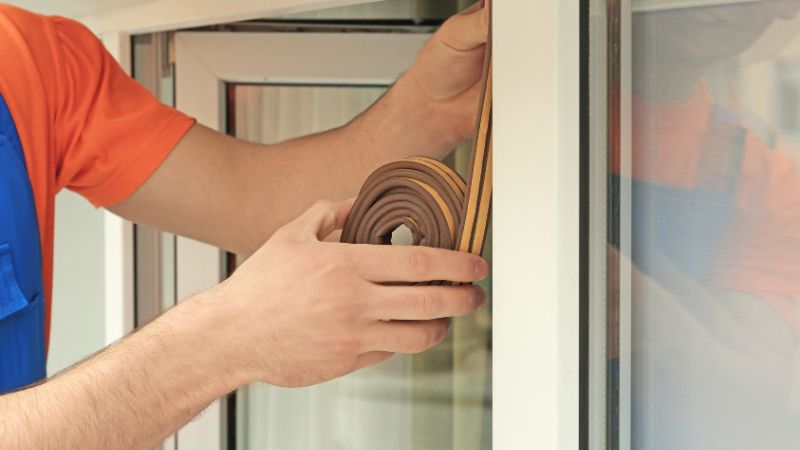
Low-quality PVC seals often look cheaper than they really are
A low-grade PVC seal may pass a basic visual check. It may also meet a tight procurement budget. But that does not mean it will hold up well in real use. In commercial projects, seals need to work under pressure, temperature change, repeated movement, and long service cycles.
Early failure creates hidden costs
If the seal shrinks, warps, hardens, or cracks, the opening no longer closes tightly. That can lead to air leakage, noise transfer, moisture issues, and occupant complaints.
Some material guidance sources note that PVC seals can shrink and warp over time, and may become brittle and inflexible in cold conditions if the material grade is poor. For you, that means a small savings at purchase can turn into repair labor, replacement material, site visits, and project delays.
Your total project cost is more than the purchase price
In B2B building work, seal cost should never be measured by unit price alone. You also need to consider:
- Installation labor
- Rework risk
- Warranty claims
- Maintenance frequency
- Energy loss from poor sealing
- Tenant or client complaints
- Brand damage from poor finish quality
A seal that fails early does not stay cheap. It simply moves cost into a different part of the project.
Poor sealing hurts building performance
Low-quality PVC seals often lose compression faster. When that happens, the seal no longer fills the gap as intended. Air and sound move through more easily. Your client may notice drafts around doors and windows, unstable indoor comfort, and higher HVAC use.
That matters because seals are part of the full building envelope. Even strong frames and good hardware cannot do their job well if the sealing material breaks down too soon.
Material comparison: what you should check before you buy
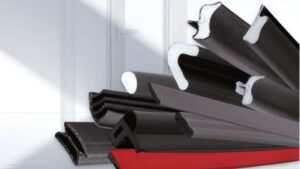
If you are comparing sealing materials, you should look beyond the label. “PVC” alone does not tell you enough. Material grade, formulation, coating, compression behavior, and production quality all affect the result.
Compare lifecycle value, not just upfront cost
This table shows why material choice matters for B2B builders:
| Material option | Upfront cost | Shape retention | Temperature resistance | Air leakage control | Expected maintenance risk | Best fit |
| Low-quality PVC | Low | Weak | Often limited | Inconsistent over time | High | Very cost-driven short-term jobs |
| Better-grade PVC | Medium | Better | Moderate | More stable | Medium | Standard projects with controlled conditions |
| TPE seals | Medium to high | Good | Good | Reliable | Lower | Projects needing flexibility and durability |
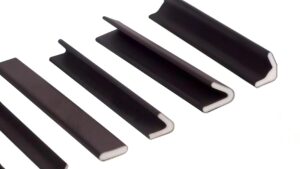
| Coated weather strips | Medium to high | Very good | Very good | Strong | Low | Premium door and window sealing |
| Fire seals | Varies | Application-specific | Application-specific | Depends on system | Medium | Fire door applications |
The message is simple: a low upfront price does not always give you the lowest total spend. If your project is commercial, public, high-traffic, or performance-sensitive, lifecycle value matters more.
Compression set tells you how long the seal can keep working
One of the most important checks is compression set. This tells you how well a seal returns to shape after being compressed. If the seal stays flattened, the gap comes back. Then the performance drops.
This is where many low-quality PVC products struggle. They may seal well at first, but not for long. In contrast, Winguard states that its coated weather strips have a compression set of 10% or less, which supports more stable long-term sealing performance.
For you, this means fewer complaints after handover and less risk of premature replacement.
Temperature resistance matters more than many buyers expect
Commercial projects do not live in lab conditions. Doors and windows face heat, cold, sun, wind, rain, and repeated opening cycles. If the material becomes too hard in cold weather or soft in heat, performance suffers.
Material sources note that vinyl-based weatherstripping can resist moisture and hold up reasonably well, but long-term results still depend on product quality and the exact material used. Winguard coated weather strips show no sealing change from -40°C to 90°C, which is important for projects exposed to wide temperature swings.
Sound, dust, and air leakage all affect client satisfaction
Many builders focus on price and basic fit. Your client focuses on how the building feels after handover. If they hear corridor noise, feel drafts, or see dust entering at openings, they will not care that the seal was a little cheaper.
Winguard highlights 43–45 dB noise reduction for some coated weather strip solutions and states that every shipment undergoes 100% air leakage testing. Those points matter because they connect directly to real project outcomes: comfort, performance, and consistency.
How you can choose the right seal material for B2B projects
The best material depends on your opening type, traffic level, climate, performance target, and budget. But there are a few practical rules that can help you avoid low-value choices.
Match the seal to the project environment
A basic office partition door does not need the same seal as a hotel corridor door, an exterior aluminum window, or a fire-rated commercial opening. You should define the real use case first:
- High-traffic doors need good recovery and wear resistance
- Exterior openings need strong weather and temperature performance
- Noise-sensitive spaces need better acoustic sealing
- Fire-rated doors need approved fire seal systems
- Long-life projects need strong anti-aging behavior
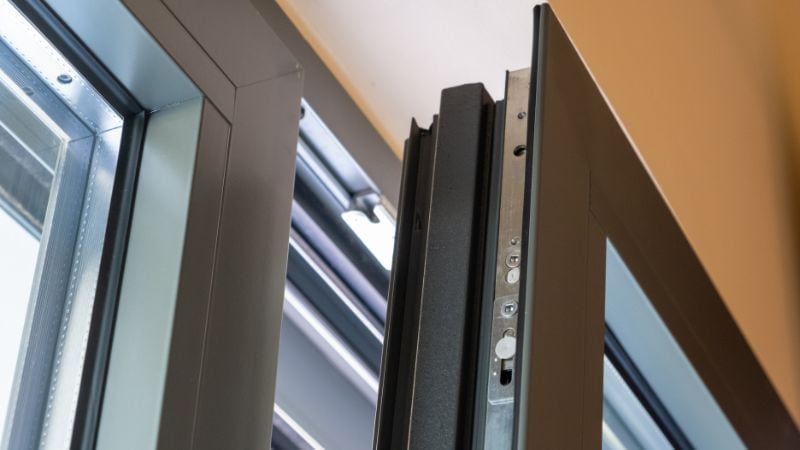
Ask suppliers for performance data, not just samples
A sample can help you check shape and finish, but it does not tell you how the product behaves after months or years of use. You should ask for:
- Compression set data
- Temperature performance
- Aging resistance
- Air leakage test results
- Noise reduction data if relevant
- Customization ability for your profile or frame
Think about replacement cost before the first order
A seal is inexpensive compared with a frame, glass unit, or door leaf. But replacement is not cheap once the building is occupied. You may need labor, access scheduling, tenant coordination, and repeat logistics. That is why the first order should aim for durability, not just short-term savings.
A simple way to think about it is this:
Low-quality seal = low purchase cost + higher risk later
Better seal = moderate purchase cost + lower lifecycle cost
That is a much better fit for B2B builders who want fewer post-installation issues.
Use internal standards for approval
If you manage repeated projects, create a short approval checklist for seals. This helps your team avoid buying based on price alone. Your checklist can include:
- Material type and grade
- Compression recovery
- Temperature range
- Air leakage performance
- Aging resistance
- Supplier capacity
- Custom profile support
- Delivery consistency
This kind of process protects your margin and improves project consistency.
Seek Winguard with Right Seals
If you want to reduce callbacks, control lifecycle costs, and improve sealing performance across your projects, Winguard is ready to support you. Winguard is a custom manufacturer with 30+ years of experience, 30 production lines, and OEM/ODM support. We provide custom PVC, TPE, coated weather strips, and intumescent seal solutions for commercial doors and windows. Contact us today to discuss your project requirements and get the right sealing solution for your specifications, budget, and performance goals.
Frequently Asked Questions
Why do low-quality PVC seals raise project costs?
They often fail earlier than expected. That can create rework, replacement, energy loss, client complaints, and warranty claims. The unit price may be low, but the total project cost often rises later.
Is all PVC a bad choice for commercial sealing?
No. The problem is usually low-quality PVC, not every PVC-based product. Better-grade materials and better formulations can perform much more reliably. You should compare performance data, not just the material name.
What is the main weakness of low-grade PVC seals?
Low-grade PVC may shrink, warp, harden, or become brittle over time, especially in demanding conditions. That can reduce sealing performance and increase maintenance risk.
Are TPE and coated weather strips better than cheap PVC?
In many commercial applications, yes. They often offer better flexibility, better recovery, and more stable long-term performance. Winguard’s coated weather strips, for example, are designed for stable sealing across wide temperatures and low compression set.
How can you compare seal materials more accurately?
Look at compression set, temperature resistance, anti-aging performance, air leakage data, noise reduction, and supplier quality control. A side-by-side lifecycle comparison is more useful than a simple price comparison.