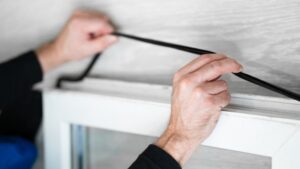
Door weatherstripping does not have one fixed lifespan. Material, exposure, daily use and the way the strip fits the frame all affect how long it remains useful. A seal on a sheltered interior door faces different conditions from one beside a sunny, frequently used entrance. Its present condition is usually a better guide to replacement than its age alone.
When deciding when to replace door weatherstripping, the practical question is whether the existing strip still makes continuous contact and allows normal door operation. Cracking, tearing, persistent flattening or sections that no longer stay in place can make replacement worthwhile. A draft deserves attention, but it does not automatically mean the entire perimeter seal has failed.
How Long Does Door Weatherstripping Last?
Door weatherstripping can remain effective for years, but a general door seal lifespan estimate is not a replacement schedule. Adhesive foam tape, coated foam profiles and shaped TPE gaskets differ in construction and fixing method. Even two strips made from the same material may experience very different wear when fitted to different openings.
Product-specific service-life information applies to the stated product and conditions. It should not be treated as a guarantee for every installation or transferred to another profile. For purchasing decisions, useful durability means that the strip continues to fit securely, recover sufficiently and maintain contact in the intended application.
An older seal that remains flexible, undamaged and correctly positioned may still be serviceable. A newer strip with a torn surface or an unsuitable fit may already need attention. Replacing by condition helps buyers avoid both unnecessary purchases and continued use of a visibly failing seal.
Five Signs a Door Seal May Need Replacing
1. Cracks, Tears or a Damaged Coating
Visible splits and torn edges are clear reasons to examine a worn door seal closely. On coated foam products, the outer layer protects the core during normal use. If that layer is cut or worn through, the strip may deteriorate locally even when the rest of the perimeter still looks sound.
Damage concentrated near a hinge or corner can also reveal rubbing or pinching. A new strip fitted in the same position may suffer the same damage if that interference remains. The useful distinction is between ordinary aging and a local problem that needs correction alongside replacement.
2. Flattening That Leaves Incomplete Contact
A compression seal changes shape as the door closes. A worn section may remain noticeably flattened after opening and no longer reach the contact surface. This matters most when the loss of height leaves a leakage path, rather than simply changing the appearance of the strip.
A hand squeeze alone cannot establish remaining service life. Installed contact, visible condition and ordinary door operation provide more context than how soft a loose piece feels.
3. Loose Sections, Lifting Ends or Open Joints
A strip that repeatedly pulls out, rolls or lifts at its ends may no longer seal consistently. The problem can involve the mounting foot, the adhesive bond or the receiving surface. Replacement may be appropriate when the strip itself is damaged, while a dirty groove or unstable finish needs a different correction.
4. New Drafts Along the Contact Line
A draft near the head or sides of a closed door can indicate incomplete contact. Visible gaps, torn sections or a strip that has moved away from its intended position strengthen that possibility. Air movement from the threshold, frame-to-wall joint or another opening has a different source.
5. Hardening or Loss of Flexibility
A strip that has become brittle or no longer deforms normally may struggle to follow the closing surface. Discoloration alone is less conclusive: a cosmetic change does not always mean the seal has stopped working. Flexibility, surface damage and contact are more useful when considered together.
What Can Shorten Weatherstripping Life?
| Condition | What it can mean for the seal |
| Direct sunlight and outdoor exposure | The selected material and surface protection need to suit the location. |
| Frequent opening and closing | Repeated contact can concentrate wear at rubbing points and corners. |
| Excessive compression | An oversized body may be heavily pinched rather than working within its intended range. |
| Uneven alignment | One area may rub while another fails to make contact. |
| Incompatible cleaners or finishes | Surface damage or a weakened adhesive bond can affect continued use. |
These conditions explain why age alone gives an incomplete picture. A protected strip on a lightly used door may remain in better condition than a newer one exposed to regular rubbing. For replacement buyers, understanding where the old seal failed helps narrow the next purchase.
Does a Draft Always Mean the Seal Is Worn Out?
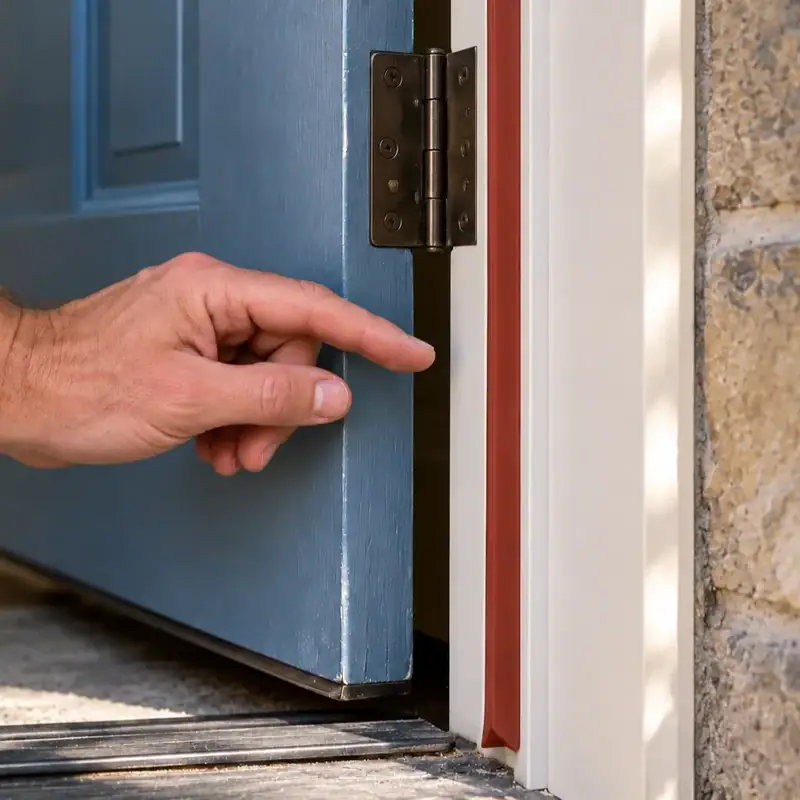
No. A door can develop an uneven gap after hinge movement, refinishing or changes in frame alignment. A seal may remain intact but lose contact because the surrounding opening has changed. Replacing it with a thicker strip can make the tight areas harder to close without solving the underlying problem.
Location provides a useful clue. A draft confined to a lower corner may involve the threshold or joint between components. Uniform leakage beside a flattened perimeter strip suggests a different issue. An installer can help distinguish these situations when the cause is unclear.
If several doors feel drafty, inspect each one individually. Similar-looking openings can have different wear patterns, so one damaged seal does not mean every door needs the same replacement.
Cleaning, Adjustment or Replacement?
Dirt alone does not necessarily justify a new seal. Gentle cleaning according to the product’s care instructions may make the surface easier to inspect. Aggressive solvents, abrasive tools and unapproved coatings can create damage, so a stronger cleaning method is not automatically better.
An intact strip that has shifted may need correct reseating; a misaligned door may need hardware attention. Torn material, a damaged mounting section or persistent loss of contact after those issues are addressed makes replacement a more relevant option.
Inspect the Whole Perimeter, Not Just the Obvious Damage
A torn corner naturally attracts attention, but the rest of the strip may be in a different condition. Looking along the head, hinge side and latch side can reveal whether wear is isolated or widespread. Corners and joints deserve a closer look because adjacent lengths can appear sound while a small interruption remains between them.
This broader view helps a buyer judge the scale of the replacement. Several similarly worn openings may justify a planned purchase, while one damaged section on a single door may call for a more limited repair.
What Matters When Buying a Replacement?
Durability starts with a suitable application. A strip intended for an interior opening should not be assumed suitable for direct outdoor exposure. The fixing section, available gap and contact direction also matter. A tougher material cannot compensate for a profile that does not fit the frame.
For entrance and interior doors with a suitable clearance, the XHM205 coated PU foam door weather strip is one option to consider. Its listed profile width is 13 mm and its seal-clearance range is 5–8 mm. Those dimensions help buyers judge relevance to an opening; they do not make it a universal replacement.
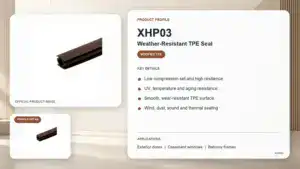
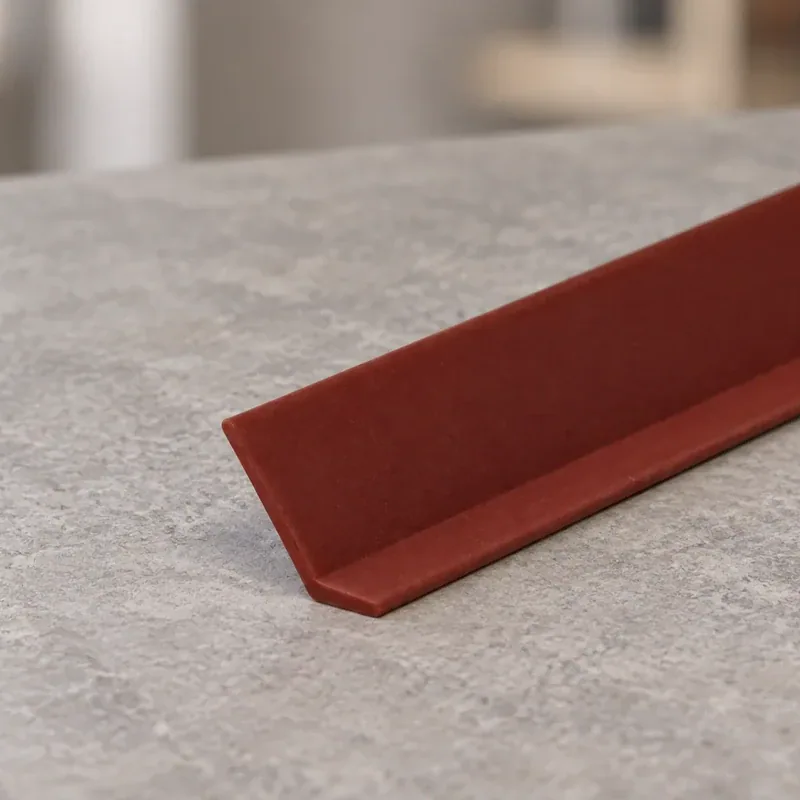
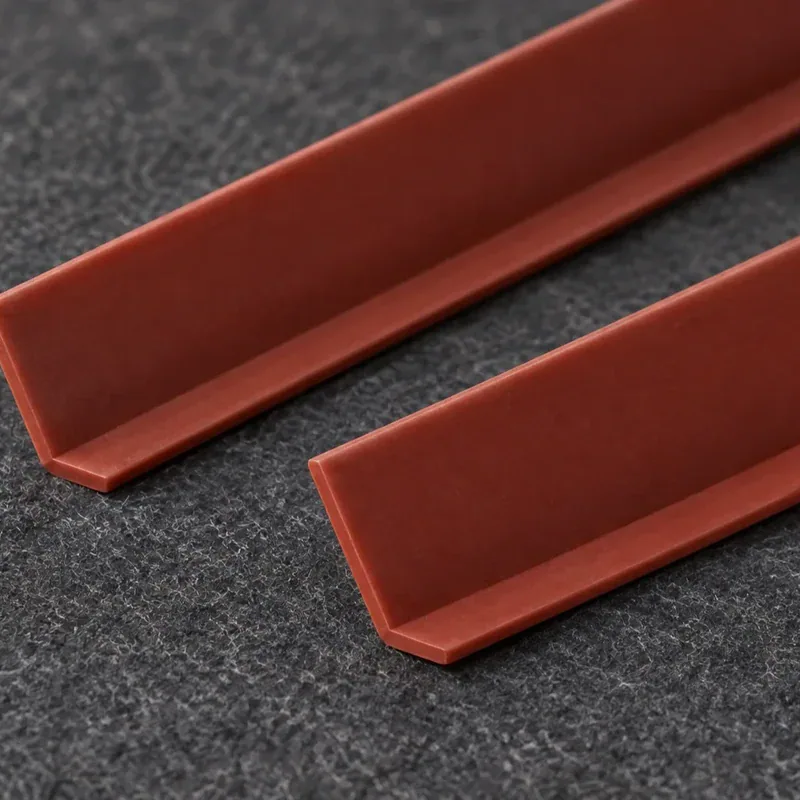
For appropriate exterior frame applications, the XHP05 L-shaped TPE weather seal offers a different construction. Its modified TPE material and flat L-shaped contact arrangement suit a different mounting detail from a foam profile. The product page describes resistance to UV exposure, temperature changes and aging; actual suitability still depends on the receiving frame.
For repeat orders, keeping the selected model, material and color with the purchase record makes it easier to source the same strip again. Available lengths and delivery time can also affect the convenience and cost of a replacement purchase.
Frequently Asked Questions
Should Weatherstripping Be Replaced Every Year?
Not simply because another year has passed. Periodic inspection is more useful than automatic replacement. An undamaged strip that remains securely fitted and maintains contact may still be suitable for continued use.
Can Only the Damaged Section Be Replaced?
Sometimes, depending on the profile and permitted joint arrangement. A short repair can introduce another joint or leave adjacent worn sections untouched. The condition of the remaining strip and the continuity of contact affect whether a local repair makes sense.
Does a Higher Price Mean a Longer Lifespan?
No. Price alone does not establish fit, material suitability or resistance to the actual exposure. A correctly selected profile offers more useful value than a premium strip installed in the wrong opening.
Should I Replace a Seal That Leaks but Has No Cracks?
Possibly. Persistent flattening can leave a gap even when the surface looks intact. Check whether the strip is seated correctly and the door closes evenly. If the seal itself no longer reaches the contact surface after those issues are addressed, replacement may be appropriate.
Do Interior and Exterior Door Seals Last Equally Long?
Not necessarily. Exterior seals may face sunlight and weather, while interior seals are usually more sheltered. Frequent opening, rubbing and excessive compression can still shorten indoor service life. Inspect each seal according to its condition rather than applying one timetable to both locations.
Explore Replacement Seals From Winguard
Winguard is a door seal manufacturer and supplier in China, offering coated PU foam and TPE profiles as well as OEM and ODM customization.
Contact Winguard for door seal options and pricing. Explore replacement profiles, discuss OEM options or request a quote for your next order.