In many buildings, air leakage is one of the most overlooked reasons for wasted energy and uneven indoor comfort. Small gaps may look harmless, but they can quietly raise heating and cooling costs month after month.
A targeted upgrade like premium weather strips can help you reduce drafts, improve comfort, and lower energy waste.
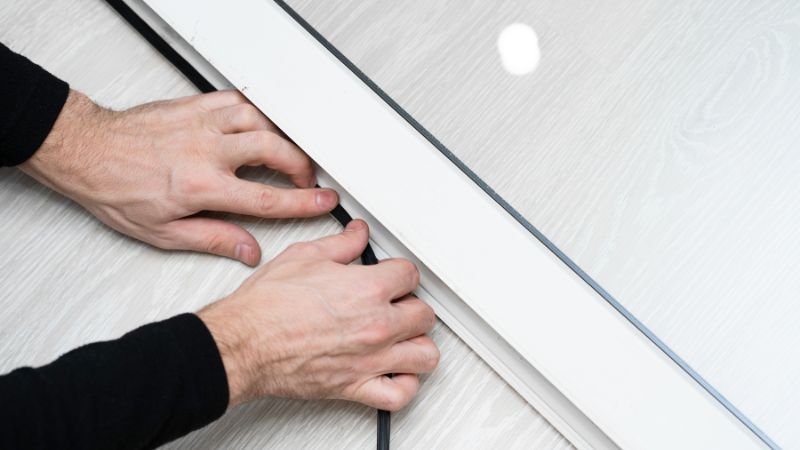
Why air leakage costs you more than you think
Air leakage happens when outside air enters building and indoor air escapes through small openings around doors, windows, and frames. These gaps force your HVAC system to work harder. Over time, that extra workload increases your energy bill and puts more stress on equipment.
Small gaps create big energy waste
Many building owners focus on insulation, glass, or HVAC equipment first. Those are important, but they do not solve everything. If air keeps leaking around moving parts like doors and operable windows, your building envelope stays weak.
This is why weather strips matter. They seal the narrow spaces where air leakage often begins. A tighter seal helps keep indoor temperature stable. That means your cooling and heating systems do not need to cycle as often.
ENERGY STAR notes that sealing and insulating a building can reduce annual energy bills by up to 10% in many cases, and weather stripping is one of the simple fixes used to stop air leaks. Some industry sources estimate that better air sealing in larger buildings can help reduce energy bills by around 10% to 20%, depending on building condition and climate.
Comfort problems usually start at the edges
If you notice hot and cold spots near entrances, meeting rooms, storefront glass, or office windows, air leakage may be the reason. Your staff and visitors feel these issues right away. They may complain about:
- Drafts near doors
- Rooms that are hard to keep at one temperature
- Dust entering from outside
- Street noise and wind pressure
- Doors that no longer seal well after repeated use
These are warning signs that your building is losing performance every day.
Air leakage affects more than your utility bill
When outside air moves in and out too easily, your building becomes harder to manage. Indoor humidity becomes less stable. Dust and pollutants enter more easily. HVAC parts may wear faster because the system runs longer than necessary.
You may also see reduced tenant satisfaction. In commercial spaces, comfort matters. A building that feels drafty or noisy can affect employee focus, customer experience, and even brand image.
How premium weather strips help you cut energy bills
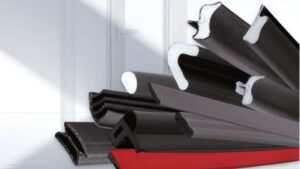
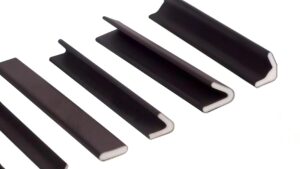
Premium weather strips are designed to create a tighter and more reliable seal than low-grade alternatives. The goal is simple: stop uncontrolled airflow without affecting how the door or window operates. When done well, this upgrade is low-profile, cost-effective, and easy to scale across many openings.
Better sealing means better HVAC efficiency
Your HVAC system works best when the building envelope supports it. Premium weather strips reduce unwanted air exchange, so your system is not constantly correcting temperature loss.
Here is a simple comparison:
| Building condition | Air leakage level | HVAC workload | Indoor comfort | Energy cost |
| Old or worn seals | High | High | Unstable | High |
| Basic low-grade seals | Medium | Medium | Improved but inconsistent | Medium |
| Premium weather strips | Low | Lower | More stable | Lower |
This is why weather strips can deliver a fast return. You are not adding a luxury feature. You are fixing a waste point.
Premium materials last longer and perform better
Not all weather strips are equal. Cheap products may flatten fast, crack in heat, shrink in cold weather, or lose elasticity after repeated door movement. Once that happens, the gap comes back and the energy waste returns.
The right seal can support multiple goals at once
A premium weather strip does more than stop drafts. It can help you improve several building performance areas at the same time:
- Energy saving by reducing conditioned air loss
- Noise reduction for offices, hotels, schools, and healthcare spaces
- Dust and weather protection at doors and windows
- Operational durability for high-traffic openings
- Maintenance control through longer service life
That makes weather stripping a smart upgrade for many commercial building types, especially where doors and windows are used heavily every day.
What to look for when choosing weather strips for your building
If you want real savings, product selection matters. A poor fit or low-grade seal may fail early. A well-matched system can support performance for years.
Match the seal to the opening type
Different openings need different solutions. A main entrance door does not behave like a sliding window. A fire-rated door does not have the same requirement as a standard office partition. Before you choose a seal, review where it will be used and how often it moves.
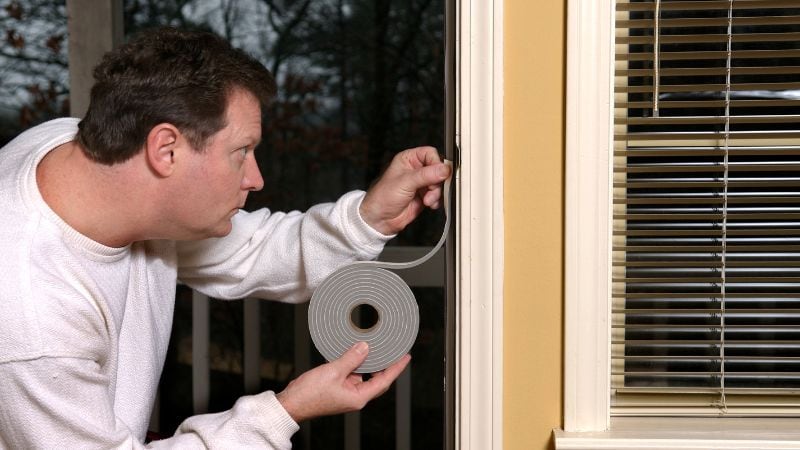
Common applications include:
- Entry doors
- Interior acoustic doors
- Aluminum windows
- Wood doors and frames
- High-use commercial doors
- Areas exposed to sun, rain, or temperature swings
When you choose a supplier, look for one that can support custom solutions rather than offering only one standard profile.
Focus on tested quality, not just price
A low upfront price can become expensive if the seal fails early. You should look for products that show clear quality control, stable material performance, and manufacturing consistency.
Winguard is a custom sealing strips manufacturer with 30+ years of experience, a 10,000+ square meter factory, 30 production lines, and 100% air leakage testing on every shipment. It also offers OEM and ODM customization for different door and window sealing needs.
Those details matter because large projects often need repeatable quality across many units. If one batch performs differently from the next, your maintenance team will feel the impact.
Plan installation as part of your energy strategy
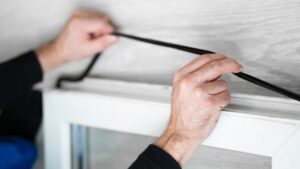
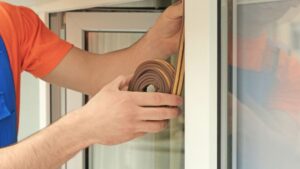
Even a premium weather strip needs correct installation. The seal must fit the gap, compress properly, and keep performance after repeated opening and closing. If the fit is too tight, operation may suffer. If it is too loose, air will still pass through.
A simple rollout plan can help you get better results:
- Inspect doors and windows with visible drafts or comfort complaints.
- Identify worn, cracked, flattened, or missing seals.
- Prioritize high-traffic and high-exposure areas first.
- Choose durable weather strips that match each opening.
- Check sealing performance after installation.
When you treat weather stripping as part of your wider energy plan, you make each improvement count.
Partner with Winguard for Premium Weather Strips
If you want to reduce air leakage and improve building efficiency, Winguard can help. We provide custom weather strip solutions for commercial doors and windows, with reliable quality and long-term performance. Contact us today to find the right sealing solution for your project.
Frequently Asked Questions
Can weather strips really cut commercial energy bills?
They can help you move toward that level of savings, especially if your building has clear leakage problems. Actual results depend on climate, building condition, HVAC efficiency, and how much air leakage exists today.
Where does air leakage usually happen in commercial buildings?
It often happens around door frames, operable windows, storefront systems, loading areas, and any place where seals have aged or flattened. It is especially common at high-use openings.
How do you know if your current weather strips need replacement?
Look for drafts, dust, rattling, visible gaps, moisture intrusion, rising HVAC costs, and seals that are cracked, hard, or permanently compressed. If doors and windows no longer close with a tight seal, it is time to inspect them.
Are premium weather strips worth the higher upfront cost?
Yes, in many cases they are. Better materials usually last longer, keep their shape better, and reduce maintenance frequency. That can make them more cost-effective over the life of the building.
What makes Winguard weather strips suitable for commercial use?
Winguard offers custom sealing solutions for doors and windows, with features such as temperature resistance, low compression set, weather resistance, and air leakage testing on every shipment. The company also emphasizes long manufacturing experience and bulk production capacity.
Can weather strips also improve noise control?
Yes. A better seal can reduce sound transmission through door and window gaps. This is useful for offices, hotels, schools, and any building where indoor comfort matters. Winguard states that some of its coated weather strips support 43–45 dB noise reduction.