When a door seal becomes worn or damaged, finding the right replacement starts with how it fits the frame, not just how it looks. Overall width, color or a similar-looking bulb is not enough. The mounting foot needs to stay securely in place, the sealing body needs to contact the closing door correctly, and the door needs to remain easy to operate.
For buyers sourcing replacement stock, project supplies or OEM orders, the original installation provides a useful starting point. The fixing section, contact direction and available space help narrow the choice. A suitable replacement restores contact around the opening while fitting the existing frame and allowing normal closing.

Record the Original Installation Before Removal
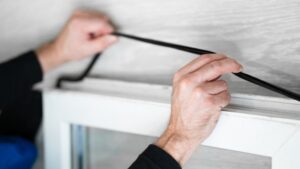
Photograph the seal in place, including a straight length, corner and joint. Record which surface carries the strip, where the door touches it and how the body moves during closure. Note whether it compresses, bends or wipes along a moving surface.
The door application and frame material also help narrow the choice. An interior timber door, an exterior entrance door and a balcony frame may use different sealing arrangements. Any existing product information can provide a useful reference, but the frame dimensions and the way the strip makes contact remain important when comparing replacement options.
This review concerns architectural door and window perimeter seals. Refrigeration gaskets, automotive seals, door bottoms and fire-door components may require different identification and approval procedures. For a fire or smoke doorset, replacement must remain within the applicable documented arrangement.
Separate the Mounting Foot From the Sealing Body
The mounting section determines how the strip is retained. Record groove width and depth, mouth geometry, insertion direction and any undercut. For a surface-mounted strip, identify the usable bonding land, finish and existing fixing method.
The sealing body determines how contact is made. Record its orientation, contact face and available deformation space. Measure the working gap on the installed opening and note its variation. A foot that fits securely can still carry a body that is too large, too small or loaded from the wrong direction.
| Information to capture | Reason it matters |
| Frame section and receiver dimensions | Defines retention and insertion |
| Mounting surface and contact direction | Shows how the body is positioned and loaded |
| Minimum and maximum working gap | Defines the range the replacement must cover |
| Corner and joint arrangement | Reveals local fit and continuity requirements |
| Environment and operating requirements | Guides material and assembly evaluation |
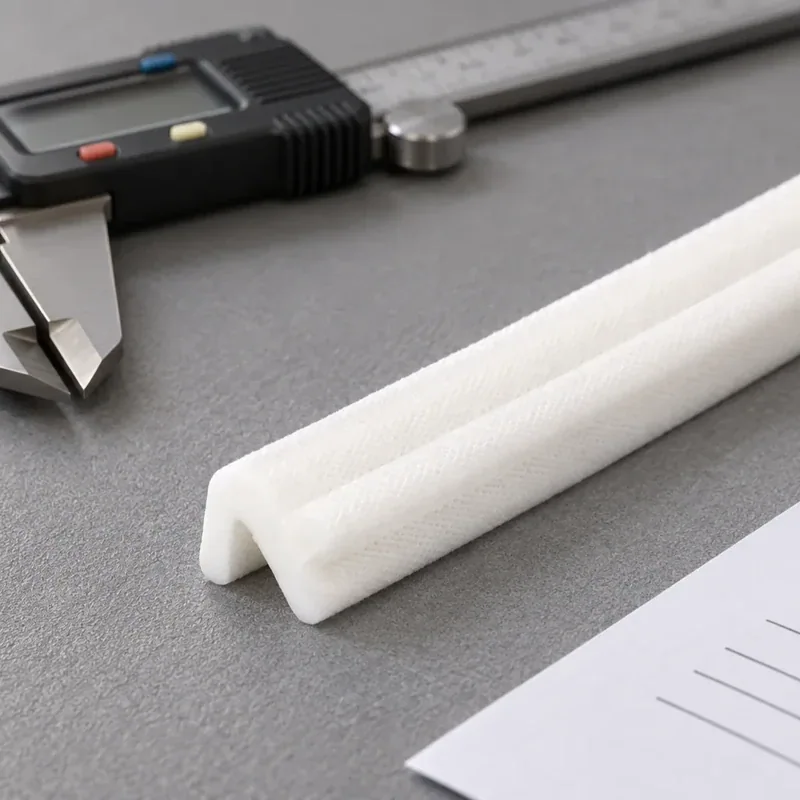
Do Not Copy a Flattened Sample Without Checking the Frame
An aged sample may have stretched, hardened, torn or taken a permanent set. Its current free height may no longer represent the original geometry. A damaged mounting foot can also give a misleading picture of the receiving groove.
Where possible, compare an undamaged section with the worn area. This helps distinguish original features from damage. Look closely at thin walls, ribs and the mounting foot, since these can be difficult to judge from the visible face of the installed strip.
Measurements from a worn part describe its current condition, which may differ from its original shape. A replacement drawing may therefore show dimensions that differ slightly from the old strip. For a buyer, compatibility depends on how the proposed profile fits the frame and makes contact, rather than whether every dimension reproduces a damaged sample.
Look for a Suitable Standard Profile First
A standard product can be considered when its mounting and contact arrangement suits the opening. For exterior doors, casement windows and balcony frames, the XHP03 modified TPE door and window seal is one profile to evaluate. Its material and application description help define a candidate; the actual cross-section and receiver still determine fit.
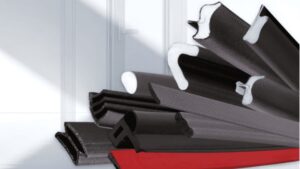
The XHP04 double-cavity TPE gasket offers a different construction for exterior windows, entrance doors and balcony frames. Its two hollow cavities provide deformation space within the sealing body. Comparing the contact face, mounting section and available compression space is more useful than selecting by the visible color or overall height alone.
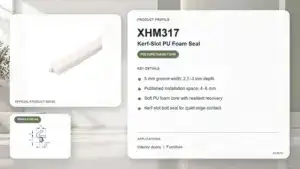
These are candidates for suitable applications, not universal replacements for every existing seal. A TPE frame gasket is not automatically interchangeable with a coated foam kerf seal. If no standard section suits the receiver and working conditions, consider a custom profile rather than forcing the frame to accept an unsuitable catalogue item.
Check a Replacement Before a Larger Order
Fit enough material to include straight lengths, the intended corners and at least one joint where applicable. Use the finished frame surface and intended hardware. Check insertion, retention, contact continuity and normal operation at the smallest and largest representative working gaps.
After the agreed operation and dwell conditions, inspect for pull-out, folding, rubbing, damage and loss of contact. If the application has specified air, water, acoustic, smoke or fire performance, use the relevant assembly evidence or testing; visual similarity does not establish the same rating.
Once you have chosen a suitable replacement, keeping its model, material, color and supplied length with the order record can simplify repeat purchasing. A retained sample can also provide a practical comparison when more stock is needed. This is particularly useful for buyers managing several seal profiles that look similar but fit different frames.

Decide Whether You Need an Exact Replacement or an Alternative
An exact replacement aims to reproduce a defined original specification. A functional alternative may use a different cross-section while achieving suitable retention, contact and operation in the same opening. The two routes should not be confused during purchasing.
A replacement does not always need a newly developed profile. An existing standard strip may already provide suitable fixing, contact and closing behavior. A custom option becomes relevant when standard profiles do not suit the opening. For buyers, this distinction helps keep the purchase focused on the fit required without assuming that every replacement needs new tooling.
Compare the Features That a Front View Can Hide
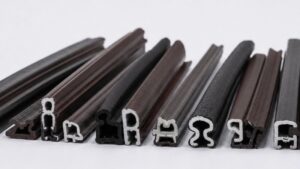
The visible face of an installed seal may conceal its most important fixing features. A ribbed foot, angled barb or narrow neck can determine whether the strip enters the receiver and stays in place. Two profiles with similar exposed bodies can have different mounting sections.
Contact direction is another easy detail to miss. A lip intended to deflect in one direction may fold when fitted the other way around. A bulb can be retained correctly yet miss the mating surface. Identify the function of each part of the section rather than comparing only its outline.
For a surface-mounted replacement, include the base in the comparison. Its usable bonding area and position affect where the body sits. Changing the base width or moving it on the frame can change compression even when the visible body looks close to the original.
Review Appearance and Supply Format for Replacement Orders
Replacement buyers often need the new strip to look appropriate on an existing door range. Color, visible width and surface finish influence the result. A wider exposed section may be noticeable on a slim timber frame even if it makes contact correctly.
Length and packaging also affect installation. A distributor may prefer a supply format suited to its stockholding and customer orders, while a project buyer may need lengths suited to several door sizes. Discuss the available options for the selected model rather than assuming every profile is supplied in the same way.
Keep color and model identification clear on repeat orders. A similar name or matching color does not establish that two strips have the same receiving dimensions. Consistent identification is especially useful when a business carries several seals for different frame series.
When Is an OEM Seal Worth Discussing?
Standard supply is a useful starting point when an existing profile matches the application. It allows the buyer to evaluate a defined product before considering changes. Focus first on fit and operation; a small cosmetic difference may be acceptable in one replacement project and unacceptable in another.
An OEM option is worth discussing when suitable standard products do not meet the required fit, appearance or supply format. Ask Winguard which customization options are available for your application, and compare the proposed scope, price and lead time before deciding. Buyers can begin that conversation with the replacement they need; a complete technical specification is not a prerequisite for an initial inquiry.
Keep the replacement objective clear throughout development. Copying a worn shape without understanding its original function can reproduce the wrong dimensions. A useful replacement restores the intended relationship between the frame, fixing section and sealing body.
Make Future Replacement Easier
Keeping the selected model with the relevant door range makes future replacement easier. Purchasing and maintenance teams can refer to the same product, while material, color and dimensions help distinguish it from similar strips. If the door frame or finish changes later, those details also provide a useful starting point for reviewing fit again.
Frequently Asked Questions
Can a profile be identified from a photograph?
A clear cross-section photograph can help shortlist candidates. Critical receiver dimensions, material requirements and installed contact still need confirmation.
Can the old seal be measured after it has flattened?
Yes, but identify the deformation and compare it with the frame. Do not assume the worn free height is the original design height.
Does matching the overall dimensions establish compatibility?
No. Retention, contact direction, working range, corners, operation and any required performance evidence also need to match the application.
Ask About Replacement Door Seal Options
Winguard is a China door seal manufacturer and supplier offering standard profiles and OEM or ODM customization. Whether you are replacing worn seals, purchasing replacement stock or exploring another source for an existing door range, we welcome your inquiry.
Contact Winguard to discuss replacement seals and a quote. You can begin by telling us what you are looking for. Product details and customization options can be discussed as the conversation develops.