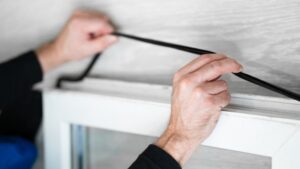
Kerf-in and self-adhesive door seals use different fixing methods to help close the gap around a door. A kerf-in seal grips an existing groove; a self-adhesive seal bonds to a suitable surface. For buyers comparing products, the practical question is which type fits the frame, stays in place and allows the door to close comfortably. The answer starts with the opening you need to seal, rather than the lowest price per metre.
Choose a kerf-in seal when the frame has a compatible groove and you want mechanical retention. Consider a self-adhesive seal when the design provides a suitable bonding surface. The right choice combines secure fixing with a body that fits the door gap and allows comfortable closing.
Start With the Frame and Fixing Method
A kerf-in seal needs a receiving groove whose width, depth and position match its mounting foot. Before buying, check whether the frame already has that groove. Paint build-up or debris can narrow an existing slot, so a profile that looks similar to the old strip may still fit differently.
A self-adhesive seal needs a continuous bonding surface with enough width for its base. Rough timber, weak paint, oil, moisture and cleaning residue can undermine retention. A flat-looking stop is not automatically a suitable adhesive substrate.
Keep the fixing dimension separate from the working gap. The groove holds the seal; the space between the seal mounting surface and the closing leaf determines how the body is loaded. Neither dimension can stand in for the other.
Compare the Two Methods Before Buying
| Decision point | Kerf-in seal | Self-adhesive seal |
| Frame preparation | Matching routed or engineered groove | Suitable clean, dry and stable bonding surface |
| Retention check | Insertion, seating and resistance to pull-out | Adhesion to the actual finish under service conditions |
| What to ask the supplier | Which groove and working gap fit this profile? | Which surfaces and preparation steps suit this backing? |
| Replacement planning | Access to the groove and a matching mounting foot | Removal method and condition of the finish after removal |
| Useful fit check | Finished frame including a corner and joint | Actual substrate and finish with the specified adhesive system |
Mechanical retention does not establish the weather performance of a complete door. Adhesive mounting does not make a seal temporary by definition. Both methods need a compatible profile and a controlled installation process.

Match Kerf Profiles to the Actual Groove
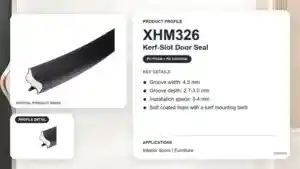
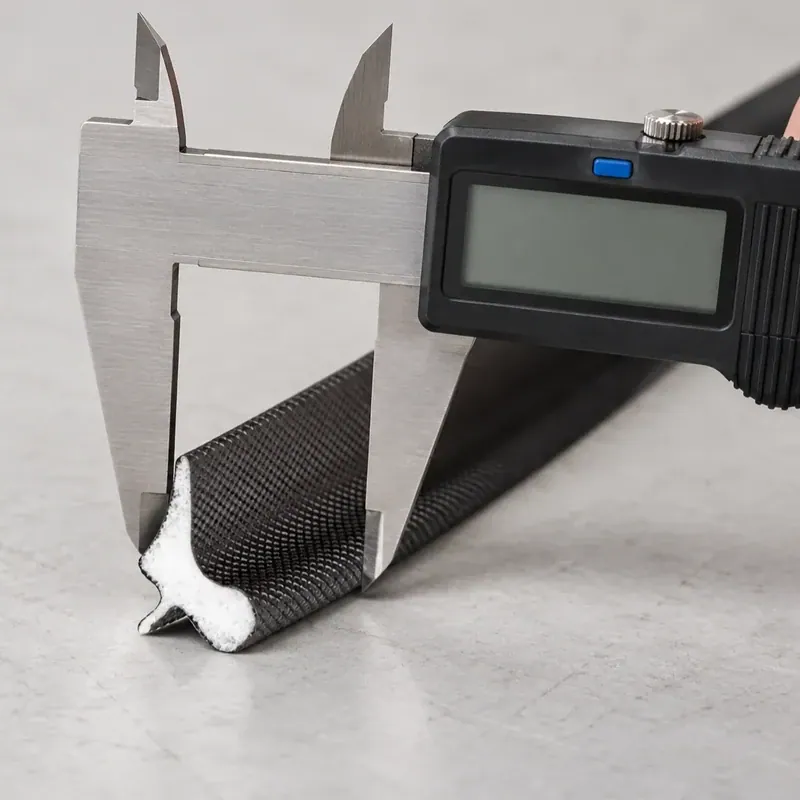
For an interior timber door with a 5 mm groove, the XHM317 kerf-slot PU foam seal provides a concrete profile to evaluate. Its specified groove depth is 2.7–3 mm, with an installation space of 4–6 mm. The PU foam body and PE coating serve a different function from the mounting section: the body makes contact, while the foot retains the strip.
The XHM325 kerf-slot door seal uses a 5.5 mm groove and a 2.7–3.2 mm groove depth, with a 3–4.5 mm installation space. Although both are coated foam profiles for interior doors and furniture, their receiving dimensions differ. They are not interchangeable simply because their materials are similar.
Use these dimensions to narrow the product choice, then check fit on a finished frame before placing a larger order. The strip should sit securely, follow the corners and contact the door when latched. For a distributor buying for several frame types, keeping these two profiles clearly identified helps prevent an incorrect substitution on a later order.
Check Adhesive Compatibility Before Ordering
For a surface-mounted option, adhesive compatibility affects whether the strip stays attached. Surface finish, moisture, application temperature and the backing itself can change the bond. The selected product’s installation instructions provide the relevant preparation and waiting-time guidance; there is no single procedure that applies to every adhesive seal.
Check an adhesive-backed sample on the same paint or coating as the intended door. Follow the supplier’s waiting-time instructions, then look for lifting ends, base movement or interference during closing. Ask about the application method before ordering: a low strip price is less attractive if the backing is unsuitable for the surface your customers actually have.
Buying for New Doors or Existing Doors
For a new-door project, ask the door supplier which fixing arrangement the frame is designed to accept. A groove-mounted seal may be a straightforward choice for an existing kerf. A self-adhesive option may suit a flat stop with a compatible finish. When requesting an OEM seal from a manufacturer, make the intended application clear so the recommended profile suits the frame you will receive.
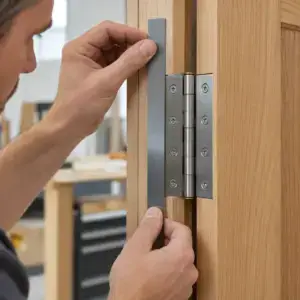
For an existing door, review the frame before adding a new fixing method. An available groove needs a compatible foot. A frame without a groove needs a separate assessment of surface mounting or machining. Do not cover drainage paths, interfere with hardware or use a thicker body to disguise hinge sag.

Evaluate Installation Time and Replacement Cost Together
Compare the total cost of getting the seal fitted, rather than the strip price alone. Frame preparation, installation time, likely replacement work and order quantities all affect value. A product that is inexpensive per metre can cost more overall if it needs extra frame work or repeatedly comes loose after fitting.
For a kerf-in arrangement, an existing compatible groove can simplify replacement. If the frame has no groove, ask an installer whether adding one is practical and what it would cost. A mounting foot that suits one door range may not suit another, so avoid ordering a large quantity based only on the visible body shape.
For an adhesive arrangement, allow for cleaning, drying, positioning and pressing the backing as instructed. Ask whether the selected strip is supplied with adhesive or requires a separate fixing system; the product name alone may not answer that question. Confirming this at quotation stage helps you compare complete options rather than incomplete prices.
Replacement access also matters to distributors and maintenance buyers. A groove-mounted strip may be removable without adhesive cleanup, provided the frame is sound and the receiving slot remains accessible. Removing an adhesive strip can leave residue or disturb weak paint. Neither outcome is universal; the frame finish and selected fixing system determine the practical result.
Consider the Contact Surface and Opening Movement
The fixing method holds the strip in place, while the sealing body interacts with the door. Those functions need to work together. A secure base will not compensate for a body that folds away from the mating surface or becomes heavily pinched near the hinges.
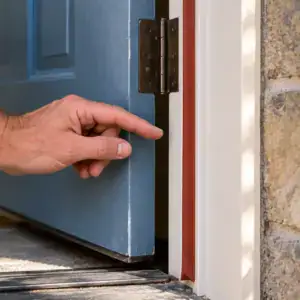
On a swing door, contact usually increases as the leaf approaches the stop. Check the hinge side as well as the latch side because the approach direction changes around the opening. A profile that feels comfortable at one edge may rub at another. On a sliding opening, consider whether the strip compresses at the closing position or remains in rubbing contact during travel.
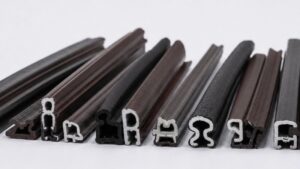
The same material can behave differently in different cross-sections. A wider contact face, different foam height or changed mounting position can alter how the body deforms. This is why a comparison based only on “foam versus rubber” misses the practical differences between two door seals.
Interior room doors, wardrobes and cabinets also have different expectations from exposed entrance systems. A clean appearance and gentle closing feel may dominate an interior specification. An exterior application adds exposure and water-management considerations. Choose the construction for the actual opening rather than assuming one mounting method suits every use.
Use a Simple Purchasing Decision
Start with the frame you already have. If it has a usable kerf, compare profiles designed for that receiver. If the frame has a suitable flat mounting surface, evaluate a surface-mounted option against the finish and operating conditions. If both arrangements are possible, compare the finished appearance, installation requirements and replacement process.
Then consider order consistency. The product code, color and supply format should be clear enough for purchasing and installation teams to identify the same strip on repeat orders. Avoid approving a product only by an informal description such as “the soft black seal.” Clear identification helps a supplier maintain continuity when several door ranges are being purchased at the same time.
For a buyer, the most useful comparison is the installed result: stable fixing, continuous contact, comfortable closing and a neat appearance. Whether you are sourcing stock for resale, purchasing for a project or requesting OEM supply, these points connect product selection with fewer fitting complaints and a more useful purchase.
Frequently Asked Questions
Can a self-adhesive seal replace a kerf-in seal?
Only after the bonding surface, profile position and closed-door contact have been assessed. Sticking a strip over an existing groove does not reproduce the original mounting arrangement.
Which method is easier to replace?
A kerf-in strip may be easier to remove when the groove is accessible and sound. An adhesive strip may need residue removal and attention to the finish. Ask about replacement of the specific product you are considering; neither fixing method is always easier on every frame.
Does a stronger fixing method reduce closing force?
No. Retention and compression are different functions. Closing resistance also depends on body geometry, contact direction, working gap and the complete door hardware arrangement.
Find Door Seals for Your Next Order
Winguard is a China door seal manufacturer and supplier offering coated PU foam, TPE and fire sealing products, with OEM and ODM options. Whether you are comparing mounting methods or looking for a seal for an existing door range, you can start with a simple product inquiry.
Contact Winguard for door seal options and a quote. Our team can discuss the available products and customization options with you.